Orzbow workshop catalogue
Covers and gear sorted by place
We build covers, bags, and fittings arranged by where each piece goes: onto a car seat, onto a stroller, onto a carrier, into a travel bag, or around the house.
What goes on a car seat, and what does not
Read this before you look at anything we sew. In a vehicle the rule is short: nothing we make, and nothing anyone else makes, belongs between your child and the harness.
Over the outside, after the buckle
- A cover that drapes over the top of the carrier, the way a shower cap sits over a bowl. It touches the shell and the canopy, and nothing that holds your child.
- An open back, so you can lift the flap, tighten the straps against your child, and drop the flap again.
- A blanket laid on top once the harness is done up. It comes off in one motion if the car gets warm.
- Anything that ends up over the face comes off before you drive. That is not a thing to judge by feel from the front seat.
Under your child, never
- A sleeping bag style cover with a back panel. That panel sits between the shell and your child, it squashes flat under load, and the harness you tightened is then loose.
- Padding, inserts or head supports that did not come in the box with the seat.
- A puffy coat, which does the same thing as padding. Off, buckle, then the coat back over the top.
- Strap covers and pads threaded onto the webbing from somewhere else.
One more thing, said plainly. The federal standard for child seats in the US, FMVSS 213, tests the seat. It does not cover accessories, so nobody selling an accessory can honestly say it was crash tested with your seat, because that test does not exist. Some seat makers also write in the manual that a third party cover ends the warranty. The manual that came with your seat outranks any shop, including us.
Pieces parents choose most
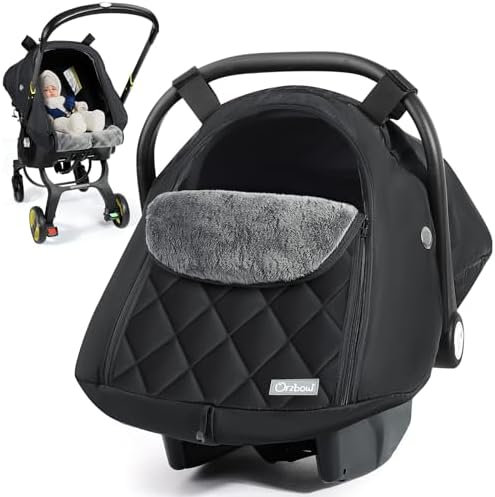
Our most used footmuffs, mesh nets, and car seat covers sewn with central zippers.
Three steps, in this order
The order is the whole trick. Warmth last, harness first.
The coat comes off
Thick outerwear goes on the back seat or in the trunk. This is the least popular sentence in January and the one that changes the most.
Buckle, then pinch
Tighten the harness against a thin layer. Then pinch the webbing flat at the shoulder between finger and thumb. If you can gather a fold of strap, it is still loose.
Warmth goes on top
Now add the blanket, the coat laid backwards over your child, or a cover that sits over the outside of the shell. All the warmth you wanted, none of it under the straps.
Where the piece fits
Find panels, footmuffs, and accessories sorted by where you mount them on your gear.
The six workshop sections
Fifty three pieces covering winter outers, nets, travel sacks, and nursery gear.
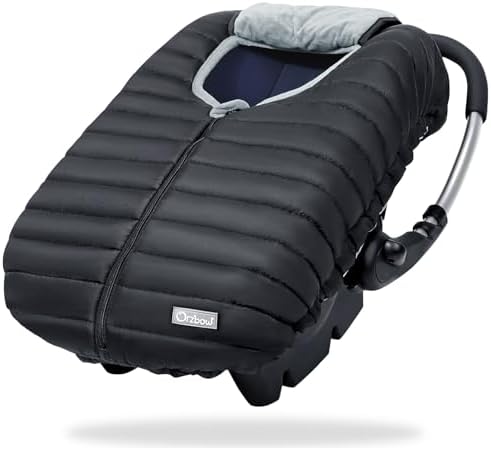
Winter Car Seat Covers
Outer covers that drop over an infant carrier from the top. The shell stays as its maker built it.
14 pieces
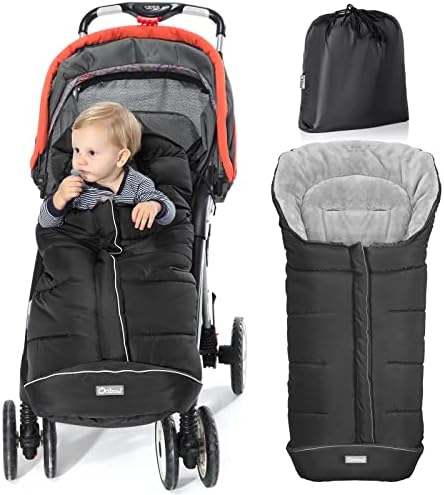
Stroller Footmuffs & Carrier Covers
Footmuffs with harness slots for a stroller seat, and wrap covers cut for soft carriers.
4 pieces
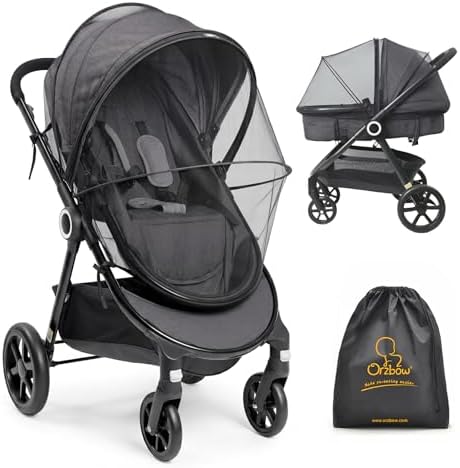
Mosquito Nets & Sun Shades
Open weave held off the face by its own ring, plus shade panels that cut light without cutting air.
8 pieces
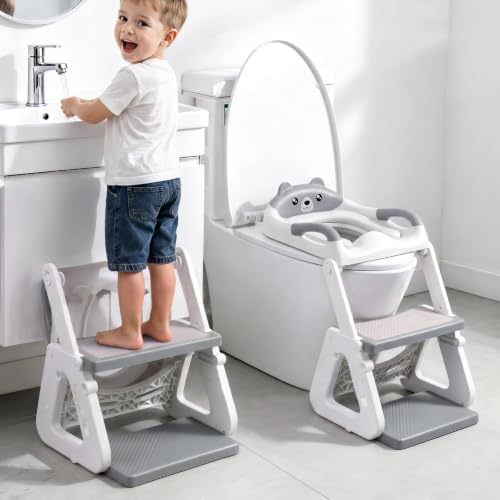
Potty Training
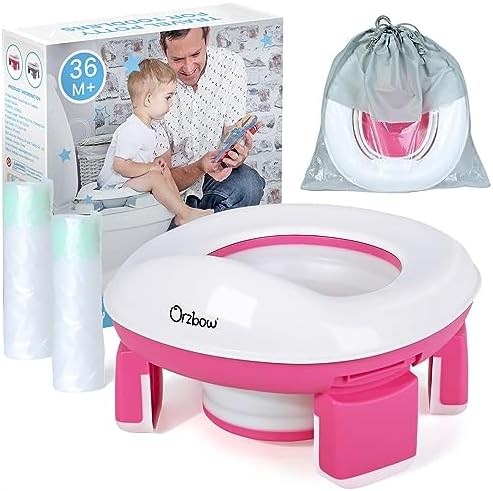
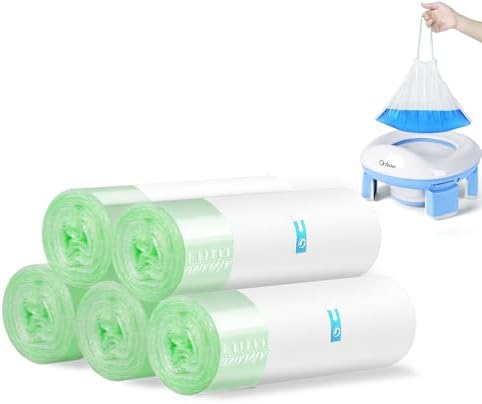
Folding travel potties, reducer seats and step stools, sorted by whether they stand on their own.
14 pieces

Bouncers, Teethers & Keepsakes
Silicone teethers, a bouncer, and the memory pieces that get filled in once and kept.
6 pieces
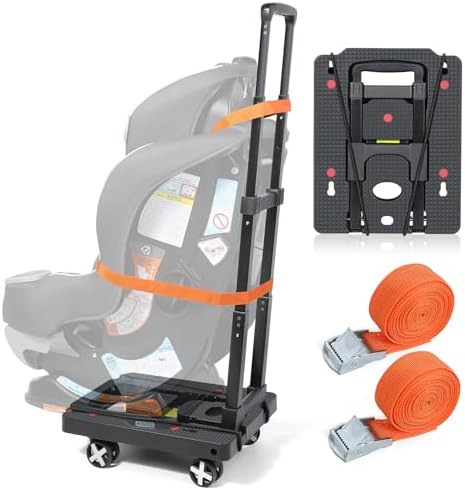
Travel Gear
Padded oxford bags for gate checking a seat or a stroller, and the small things that travel with them.
7 pieces
Find your match quickly
Answer three questions about where the piece goes, the current season, and child size to narrow down our sewing options.
Cold weather car seat covers
Outer covers built with an elastic edge, lofted plush lining, and a split zip flap that opens wide.
Choosing your piece
- 1
Check the gear type
Match the cover to your car seat, stroller, or soft carrier so the outer seams line up.
- 2
Check the local season
Pick windproof nylon, lofted fleece, or open polyester mesh based on the weather outside.
- 3
Check the opening style
Select center zippers, snaps, or drawstrings depending on how fast you need to pull the piece away.
What each section is cut to fit
Section by section, this is what our own listings state a piece goes over, read off them rather than rewritten for the chart.
| Section | What is measured | Stated on the pieces | Pieces |
|---|---|---|---|
| Winter Car Seat Covers | What it goes over | infant carrier shells | 14 of 14 |
| Stroller Footmuffs & Carrier Covers | What it goes over | soft carriers; infant carrier shells | 4 of 4 |
| Mosquito Nets & Sun Shades | What it goes over | stroller seats; infant carrier shells | 8 of 8 |
| Potty Training | What it goes over | standard toilets | 13 of 14 |
| Bouncers, Teethers & Keepsakes | Stated age or weight | 3-12 months; up to 20 lbs | 4 of 6 |
| Travel Gear | What it goes over | stroller seats; soft carriers; infant carrier shells | 4 of 7 |
Washing and storage care
Do
- Close every zipper and snap before placing the piece in the wash.
- Run a cool machine wash cycle with mild detergent.
- Line dry all coated nylon and pongee panels instead of using heat.
- Brush dried crumbs out of fleece and plush linings before folding.
Do not
- Do not use bleach on polyester or cotton fabrics.
- Do not iron coated waterproof outers or reflective trims.
- Do not pack a travel bag into storage while it is damp.
- Do not crush mesh nets under heavy boxes when putting them away.
Why we sort by placement
A thick bunting meant for a stroller seat does not go onto an infant bucket shell. We arrange thirty designs across fifty three items by where they attach. That keeps fleece layers, oxford bags, and net canopies grouped by the actual equipment they surround day to day.
Workshop fabrics and daily fittings
We sew our footmuffs and car seat covers using water repellent pongee, windproof oxford cloth, and plush fleece. Outers pull over the frame with elastic rims, while stroller buntings use harness slots and wide center zips. Each piece is made to be pulled off, tossed in the washer, and hung up to dry.
How a cover opens changes your daily routine. A dual zipper lets you fold the top flap down when entering a warm room without removing the whole shell. Drawstrings tighten the hood around a carrier, and snaps hold footmuffs in position against stroller frames without catching on clothing.
- Our range holds fifty three pieces across thirty separate designs.
- Sixteen covers are sewn to pull over car seat shells.
- Seven footmuffs and shades are patterned specifically for stroller frames.
- Three covers are constructed to wrap over soft baby carriers.
- Twenty pieces including potties and bouncers are built for use around the house.
Starting with your first cover
Begin with the item you use outdoors most often. Look at our car seat covers with elastic borders or stroller footmuffs with harness cutouts, and select the lining thickness that suits your climate.
Notes from the sewing room
Questions we get asked before an order, answered at length rather than in a line.
Before you buy anything
A footmuff in the car seat: what can go under your child
The same word covers two different objects. One of them belongs nowhere near a harness.
Winter routine
Dressing a baby under a cover without adding bulk
Thin layers, harness, then warmth. The order does more work than the fabric does.
Warm weather
Mesh, a blanket or a rain cover on the stroller
Three things get draped over a stroller hood in summer and only one of them lets air through.
Asked before buying
Can I use a footmuff in the car?
Does it fit my seat?
Will my baby get too warm under a cover?
Where should a mosquito net sit?
How do these wash?
Do you actually make these?
Built for simple daily use
Browse our complete selection of covers, nets, footmuffs, and travel gear sewn for your family gear.